Scrap Metal Recycling
The metal recycling industry encompasses a wide range of metals. The more frequently recycled metals are scrap steel, iron (ISS), lead, aluminum, copper, stainless steel and zinc. There are two main categories of metals: ferrous and nonferrous. Metals which contain iron in them are known as Ferrous where metals without iron are nonferrous. (ISRI Common nonferrous metals are copper, brass, aluminum, zinc, magnesium, tin, nickel, and lead. Nonferrous metals also include precious and exotic metals. Precious metals are metals with a high market value in any form, such as gold, silver, and platinum. Exotic metals contain rare elements such as cobalt, mercury, titanium, tungsten, arsenic, beryllium, bismuth, cerium, cadmium, niobium, indium, gallium, germanium, lithium, selenium, tantalum, tellurium, vanadium, and zirconium. Some types of metals are radioactive. These may be “naturally-occurring” or may be formed as by-products of nuclear reactions. Metals that have been exposed to radioactive sources may also become radioactive in settings such as medical environments, research laboratories, or nuclear power plants. OSHA guidelines should be followed when recycling any type of scrap metal to ensure safety.
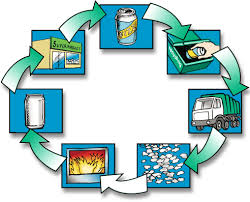
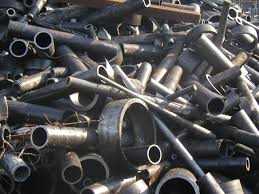

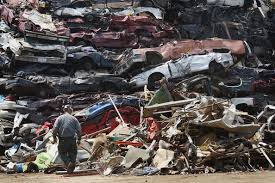
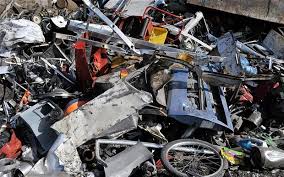
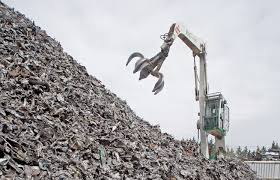
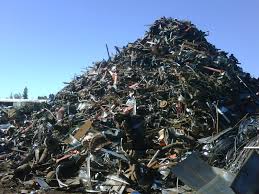
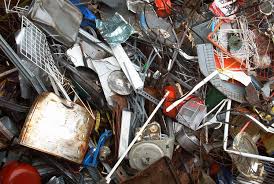

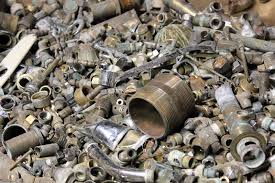
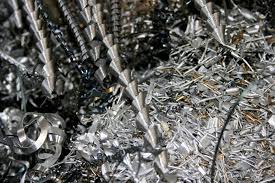

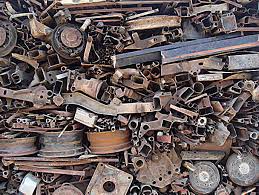
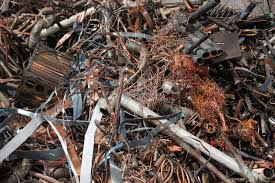


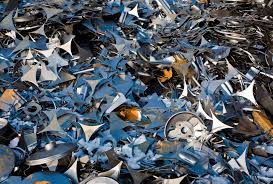
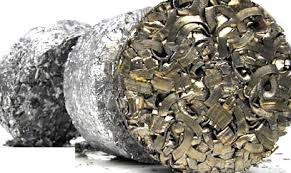

The metal recycling industry encompasses a wide range of metals. The more frequently recycled metals are scrap steel, iron (ISS), lead, aluminum, copper, stainless steel and zinc. There are two main categories of metals: ferrous and nonferrous. Metals which contain iron in them are known as Ferrous where metals without iron are nonferrous. (ISRI Common nonferrous metals are copper, brass, aluminum, zinc, magnesium, tin, nickel, and lead. Nonferrous metals also include precious and exotic metals. Precious metals are metals with a high market value in any form, such as gold, silver, and platinum. Exotic metals contain rare elements such as cobalt, mercury, titanium, tungsten, arsenic, beryllium, bismuth, cerium, cadmium, niobium, indium, gallium, germanium, lithium, selenium, tantalum, tellurium, vanadium, and zirconium. Some types of metals are radioactive. These may be “naturally-occurring” or may be formed as by-products of nuclear reactions. Metals that have been exposed to radioactive sources may also become radioactive in settings such as medical environments, research laboratories, or nuclear power plants. OSHA guidelines should be followed when recycling any type of scrap metal to ensure safety.
Scrap Metal Recycling
Scrap Metal Recycling
Scrap Metal Recycling
Scrap Metal Recycling
Scrap Metal Recycling
Scrap Metal Recycling
Scrap Metal Recycling
Scrap Metal Recycling
Scrap Metal Recycling
Scrap Metal Recycling
Scrap Metal Recycling
Scrap Metal Recycling
Scrap Metal Recycling
Scrap Metal Recycling
Scrap Metal Recycling
Scrap Metal Recycling
Scrap Metal Recycling
Scrap Metal Recycling
Scrap Metal Recycling
Scrap Metal Recycling

No comments:
Post a Comment